Santa Ana homeowners know the pattern well. A bright stretch of sun, months with little meaningful rain, the occasional dry wind that seems to pull moisture out of everything, and water bills that punish landscapes designed for some other climate. A California style yard should feel relaxed and beautiful, but in Santa Ana it also has to work hard. It has to handle heat, reflect the architecture of the home, and stay attractive without demanding constant irrigation.
That tension is where good design matters. The best drought resitant landscaping does not look sparse or apologetic. It looks intentional. It creates shade where people need it, leaves breathing room around plants, and uses texture, stone, and plant form to carry the visual weight that thirsty lawns used to carry. When it is done well, a yard can feel cleaner, calmer, and more valuable than a traditional turf-heavy layout.
I have seen the difference on properties where owners finally gave up on patchy grass and shrubs that never really adapted. Once the design shifts toward the realities of Santa Ana, maintenance usually gets easier, seasonal color becomes more predictable, and the front yard starts making sense with the house instead of fighting the climate.
What “California style” should mean in Santa Ana
California style gets used loosely, but in practical terms it usually combines indoor-outdoor living, restrained plant palettes, natural materials, and a layout that looks effortless even when every inch was planned. In Santa Ana, that style should also account for sun exposure, reflected heat from stucco and pavement, and the need to conserve water without making the yard feel stark.
A successful front yard landscaping plan here often starts with geometry. Clean walkway lines, gravel bands, decomposed granite, low retaining edges, and well-placed specimen plants can deliver a crisp, regional look. Broad sweeps of lawn rarely do. Turf tends to dominate the eye, drink water, and go uneven fast when irrigation coverage slips. By contrast, a layered composition of hardscape and climate-appropriate planting can look better in August than a traditional lawn ever will.
This does not mean every yard should become a cactus garden. Santa Ana neighborhoods include Spanish revival homes, ranch houses, newer contemporary builds, and everything in between. Each can support Custom Landscaping ideas that feel lush without being water hungry. The trick is to define “lush” differently. In this climate, lush often comes from contrast, leaf shape, shadow, and density at key moments rather than from blanket green coverage.
Start with the bones, not the plants
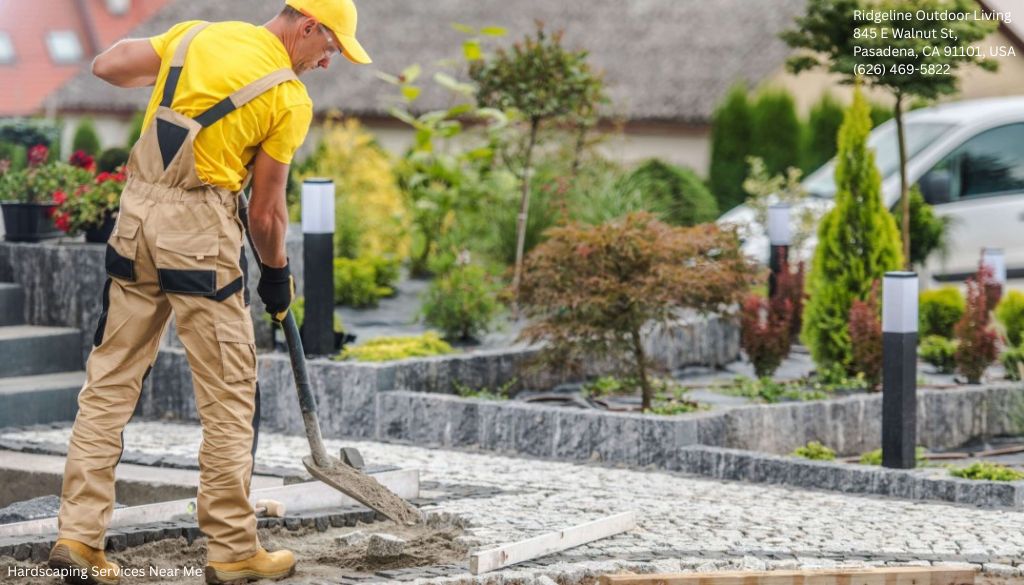
Most water-wise yards fail when people shop for plants first. They come home with a few salvias, a succulent assortment, maybe a decorative boulder, and then try to arrange them in leftover lawn space. The result usually feels pieced together. The more durable approach is to begin with circulation, grading, and surface materials. That is where Hardscaping becomes the framework, not an afterthought.
Walkways should direct movement clearly and comfortably. In a front yard, that can be a widened path from driveway to entry, a subtle extension of the porch line, or a short garden route that slows the experience of approaching the house. Permeable surfaces often make sense in Santa Ana because they reduce runoff and soften the look of the yard. Decomposed granite, stabilized gravel, spaced pavers, and dry creek details can all fit the regional aesthetic if the proportions are right.
Hardscaping also solves one of the biggest practical issues in drought tolerant design, which is how to make a yard look finished even when plants are young. Stone, gravel, seat walls, raised planters, and steel edging give immediate structure. Plants then mature into that structure over time instead of carrying the whole job on day one.
A useful rule is that the smaller the front yard, the more carefully each hardscape material should be chosen. Too many textures can make a compact space feel busy. In many Santa Ana front yards, two or three primary surface materials are enough. For example, smooth concrete pavers, warm gravel, and natural boulders can create plenty of variation without visual clutter.
Why the front yard deserves more attention than it usually gets
Backyards tend to get the entertaining budget, but front yard landscaping has a larger day-to-day impact. It shapes curb appeal, affects perceived property care, and frames the house every single time someone arrives. In Santa Ana, the front yard also bears the brunt of public-facing heat stress. It sits against streets, sidewalks, driveways, and parked cars, all of which reflect heat into the planting areas.
That is why the front yard benefits from disciplined plant spacing and a strong underlying composition. You want plants that can hold their own visually from the street, tolerate radiant heat, and avoid blocking pathways or windows too quickly. Agaves, manzanitas, dwarf olive varieties where appropriate, westringia, ceanothus, lomandra, deer grass, and certain salvias often earn their place because they provide form and durability. The exact mix depends on sun, soil, and style, but the principle stays the same. Every plant should do a clear job.
I worked on a small Orange County property where the owner insisted on keeping a narrow strip of lawn near the sidewalk because it felt more welcoming. The lawn stayed damp in Santa Ana CA landscapers winter, scorched at the edges in summer, and never looked even. Replacing it with gravel, clustered grasses, and a few sculptural succulents changed the whole feel of the house. The entry became sharper, the irrigation zone simplified, and the maintenance dropped immediately. More important, the yard finally looked like it belonged in Southern California.
Plant choices that carry color without wasting water
Drought Resistant landscaping is not only about survival. A yard full of tough plants can still look flat if the palette is all one height, one leaf texture, or one faded green. Better planting design uses contrast. Fine grasses next to broad succulent leaves, mounding shrubs against upright accents, silver foliage beside deep green, and seasonal bloom used with restraint.

In Santa Ana, full-sun exposure is often the default challenge. Plants need to handle long, bright afternoons and periods of heat that can push marginal species into stress. Mediterranean and California native influences tend to work well, especially when mixed thoughtfully rather than treated like separate camps. Native plants can offer habitat and seasonal rhythm, while Mediterranean species often provide structure and reliable garden performance in residential settings.
A practical planting mix should usually include ground-level cover, mid-height massing, and a few focal elements. Ground-level cover might come from gravel mulches with pockets of low growers rather than traditional spreading groundcovers. Mid-height massing is where a lot of the design work happens. This layer shapes the composition and fills visual space. Focal elements can be a multi-trunk small tree, a dramatic agave, or a specimen shrub with strong branching.
What homeowners often underestimate is the value of negative space. In a drought tolerant yard, open gravel or decomposed granite is not “empty” if it is placed deliberately. It gives the eye a place to rest, highlights plant forms, and reduces the crowded feeling that develops when every open inch gets planted. In hot climates, that breathing room also improves airflow and lowers competition for water.
Smart planting principles that hold up in real yards
- Group plants by water needs and sun exposure, not only by appearance. Leave enough room for mature size, especially near walkways, driveways, and windows. Use mulch or gravel consistently to reduce evaporation and keep the design cohesive. Limit the number of plant species so the yard feels designed rather than collected. Choose one or two focal plants per view instead of making every plant compete for attention.
These principles sound simple, but they solve many of the maintenance headaches that appear a year or two after installation. A yard can look tidy right after planting and still become expensive to manage later if spacing was too tight or irrigation zones were mixed carelessly. The best Custom Landscaping ideas account for how the yard will look after plants fill in, not just how it photographs the day it is installed.
Trees, shade, and the microclimate effect
If there is one move that consistently improves comfort in Santa Ana yards, it is thoughtful shade. Not heavy, dense shade everywhere, but the right amount in the right places. A small tree placed near a west-facing window, entry path, or sitting area can change how the whole property feels in summer. It can also protect paving from becoming unbearable underfoot.
Tree selection deserves caution. landscaping santa ana Some species handle drought but drop messy litter. Others grow too large for modest front yards or lift paving over time. In many cases, homeowners do better with smaller ornamental or moderate-canopy trees than with something planted for instant impact. A young tree may look underwhelming at first, but five years later it often proves to be the best investment in the landscape.
Microclimates matter more than people expect. landscapers in santa ana ca The area beside a stucco wall may be significantly hotter than an interior planting bed. A corner near a block wall may trap heat and wind. A narrow side strip may get reflected glare from both house and fence. Plant selection should respond to those conditions. What thrives near the front porch may struggle ten feet away along the driveway.
Irrigation should be precise, not generous
Water efficiency is not only about using less. It is about putting the right amount in the right place, at the right interval. For most drought-tolerant landscapes, drip irrigation or low-volume systems make more sense than overhead spray. Spray heads lose water to evaporation, encourage weed growth in unintended areas, and often keep hardscape wet.
A common problem in converted lawns is that old spray zones stay in place after the turf is removed. That leaves a drip-friendly planting plan tied to a system designed for shallow-rooted grass. Plants end up overwatered in some spots and dry in others. In Santa Ana, where long dry spells are normal, inconsistent irrigation shows up fast. Leaves scorch, root systems stay shallow, and owners mistakenly assume the plant palette is the issue.
Deep, infrequent watering usually builds stronger roots than frequent shallow watering, but there is no universal schedule. Soil type, slope, season, plant age, and exposure all influence the interval. Newly planted shrubs need a different regime than established ones. Gravel mulch warms differently than bark. A narrow strip beside concrete dries faster than a broader bed. Any professional plan worth paying for should take those variables seriously.
The role of Hardscaping in a low-water yard
Hardscaping often gets framed as the non-living part of landscaping, but in drought-friendly design it does much more than fill space. It controls movement, handles grade changes, creates usable outdoor areas, and provides the visual permanence that allows planting to stay restrained. In California style yards, it also sets the mood. Warm-toned stone, brushed concrete, clay accents, and natural boulders can give a yard a grounded, regional character that feels completely appropriate in Santa Ana.
Patios and seating pockets can be modest and still transformative. A small bench tucked into a side yard under light shade may be more useful than a large decorative patio nobody uses. Front courtyards, where the property layout allows them, can become some of the most pleasant outdoor spaces on the lot because they benefit from evening light and street-facing openness while still feeling private with the right screening.
Retaining edges and raised planters are particularly useful on sloped or awkward sites. They create clearer planting zones and reduce erosion. In neighborhoods with older homes, modest masonry work can also tie into the architecture better than trying to solve everything with planting. The key is to keep the proportions honest. Oversized walls on a small lot can feel defensive and heavy, while low seat-height walls often feel welcoming and useful.
Common mistakes that make drought tolerant yards look unfinished
- Using too many small plants with no clear structure. Covering every open area with rock but skipping shade and focal elements. Keeping old lawn irrigation after converting to drought resistant planting. Choosing plants only for low water use, while ignoring mature size and form. Installing dark hardscape in full sun where heat reflection becomes uncomfortable.
Most disappointing landscapes are not ruined by one big decision. They are undermined by a series of small mismatches. The gravel color is too cool for the house. The pavers are scaled for a larger property. The shrubs all bloom at once and then fade into sameness. The agaves are placed where pedestrians brush past them. None of those issues sound dramatic in isolation, but together they make a yard feel unresolved.
Material choices that suit Santa Ana homes
Color temperature matters. Many Santa Ana homes look better with warm neutrals than with stark grays, especially where tile roofs, cream stucco, or earthy paint colors are involved. Tan gravel, buff stone, weathered steel, and muted concrete often sit more comfortably in the landscape than bright white rock or high-contrast black surfaces. White gravel can look sharp at first and then glaring by midday. Black mulch can absorb too much heat. Material samples should always be tested outdoors, in the actual sun, before final decisions are made.
Texture matters just as much. Smooth modern pavers can pair beautifully with architectural succulents, but if every surface is sleek the yard may feel sterile. A rough boulder, a raked gravel field, or a slightly irregular stone edge can keep the space from feeling overdesigned. California style works best when it balances clean lines with natural texture.
For driveways and paths, slip resistance and maintenance should be considered alongside aesthetics. Some decomposed granite surfaces migrate if poorly contained. Some large-format pavers stain more visibly than expected. Some decorative gravels crunch pleasantly underfoot but scatter into sidewalks. Small decisions at the materials stage often determine whether the landscape still feels good after a few summers of actual use.
How to make it feel established sooner
One of the hardest parts of drought-tolerant design is patience. New installations can look sparse for the first year, especially if the homeowner is used to lawn or dense shrubbery. That does not mean the design is wrong. It means the yard is in its early phase. Still, there are ways to create a more settled appearance from the start.
Larger specimen plants can help, but they are not always the best value if they are expensive to establish or more likely to struggle after transplanting. Often, the smarter move is to invest in stronger hardscape, better soil prep where appropriate, and a few well-chosen anchors such as a small tree or bold focal plant. The rest of the garden can fill in around them. Decorative boulders can also provide immediate mass if they are sized correctly and placed naturally, not dropped in like ornaments.
Lighting is another underused tool. Low, warm landscape lighting can make a drought-tolerant front yard feel intentional at night, especially when it catches the branching of a tree, the silhouette of a grass clump, or the texture of a stone wall. It extends the visual life of the yard beyond daylight and adds a layer of polish that homeowners notice every evening.
Custom Landscaping ideas for different home styles
A Spanish-style home often benefits from a composition built around warm paving, low stucco walls, terracotta elements, and clipped or softly mounded planting. Olive tones, silver foliage, and restrained bloom colors usually support the architecture better than a busy cottage palette. A ranch home may suit wider planting sweeps, more relaxed grasses, and horizontal lines that echo the building. Contemporary homes often carry bolder geometry, fewer plant species, and stronger sculptural contrasts.
This is where Custom Landscaping ideas become more than trend-following. A good design does not paste the same drought tolerant recipe onto every property. It responds to rooflines, setbacks, landscaping resources entry placement, and the way people actually use the site. A family that needs room for kids to move through the front yard will prioritize different surfaces and plant placements than a retired couple focused on curb appeal and low upkeep. A corner lot with exposure from two streets needs stronger year-round structure than a sheltered interior lot.
There is also room for selective softness. Drought tolerant does not mean every line should be rigid. A curved bed edge, a flowering accent near the entry, or a bench under a small canopy tree can humanize the whole composition. The strongest yards usually combine discipline with warmth.
What a realistic maintenance plan looks like
Low-water landscaping is not no-maintenance landscaping. Plants still need pruning, irrigation needs seasonal adjustments, gravel needs occasional raking, and weeds need control before they seed out. The difference is that the work becomes more strategic and less repetitive than mowing, edging, reseeding, and constant turf repair.
For most Santa Ana properties, a well-designed drought resistant yard should settle into a manageable rhythm after the first year or two. Early on, there is more observation involved. You watch for irrigation issues, plant stress, and how the design is filling in. Once established, maintenance usually becomes lighter, but it still rewards attention. A neglected low-water yard can look just as tired as a neglected lawn, only in a different way.

The payoff is that the landscape starts cooperating with the climate instead of fighting it. Water use often drops, plant health becomes more stable, and the property develops a character that feels rooted in place. That is the real promise of drought resitant landscaping in Santa Ana. Not sacrifice, not trend chasing, but a yard that looks right, lives well, and holds up under the conditions it actually has to face.